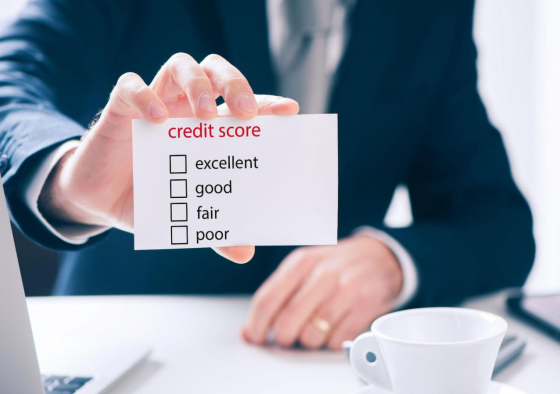
Struggling with a low credit score? Discover the advantages and drawbacks of low credit score loans, how they work, and what to consider before applying.
A low credit score can make borrowing money challenging, but that doesn’t mean it’s impossible. Many lenders offer low credit score loans to help individuals secure financing despite their poor credit history. These loans can be a lifeline in emergencies or for those looking to rebuild their credit. However, they also come with certain risks.
In this article, we’ll explore the pros and cons of low credit score loans, discuss how they work, and provide tips on choosing the best option for your needs.
What Are Low Credit Score Loans?
Low credit score loans are designed for individuals with a poor or limited credit history. Traditional banks may deny loans to borrowers with low credit scores, but alternative lenders, credit unions, and online financial institutions often provide specialised loan products to meet this demand.
Common Types of Low Credit Score Loans
- Personal Loans:Unsecured loans can be used for various purposes, including medical expenses, car repairs, or debt consolidation.
- Payday Loans:Short-term, high-interest loans meant to be repaid by the next paycheck.
- Title Loans:Loans requiring a vehicle as collateral often carry high interest rates.
- Secured Loans:Loans backed by collateral such as a savings account, car, or home.
- Credit Builder Loans:Small loans designed to help borrowers improve their credit by making regular payments.
Now, let’s break down the benefits and drawbacks of these loans.
Pros of Low Credit Score Loans
1. Easier Access to Financing
Unlike traditional bank loans, low credit score loans have less strict approval criteria. Many lenders consider factors beyond credit scores, such as income, employment status, and debts.
Example: If you need urgent car repairs but have a low credit score, a personal loan from an online lender might help you get back on the road quickly.
2. Opportunity to Rebuild Credit
Some lenders report on-time payments to credit bureaus. If you repay a low credit score loan responsibly, you can improve your credit history over time.
Tip: Choose a lender that reports payments to Experian, Equifax, or TransUnion to ensure your credit score benefits from timely payments.
3. Quick Approval and Disbursement
Many online lenders approve applications within hours and deposit funds in your bank account within a day or two. This speed makes these loans ideal for emergencies.
Example: A payday or personal loan could provide immediate relief if you have an unexpected medical bill and need funds fast.
4. Flexible Loan Options
Low credit score loans come in different forms, including secured and unsecured loans, payday loans, and instalment loans. This variety allows borrowers to choose the best fit for their needs.
Tip: Compare different loan options to find the most affordable terms.
5. No Need for a Perfect Credit Score
Unlike traditional lenders, who may require a high credit score, alternative lenders focus on other financial factors. You can still qualify if you have a steady income or collateral.
Cons of Low Credit Score Loans
1. High Interest Rates
Lenders charge higher interest rates to compensate for the risk of lending to low-credit borrowers. APR (Annual Percentage Rate) can exceed 100% in some cases, making repayment costly.
Example: A £1,000 loan with a 35% APR could result in significantly higher repayment amounts than a traditional personal loan with a 10% APR.
2. Risk of Debt Traps
Loans like payday and title loans often have short repayment periods and high fees, making them difficult to repay. Many borrowers fall into a cycle of borrowing to cover previous loans.
Tip: Avoid loans with extremely short repayment terms unless you’re confident you can repay them on time.
3. Collateral Requirements for Secured Loans
Some low credit score loans require valuable assets as collateral, such as a car or savings account. If you fail to repay the loan, you risk losing your asset.
Example: If you take out a title loan and can’t make payments, the lender may seize your vehicle.
4. Additional Fees and Hidden Charges
Some lenders impose origination fees, prepayment penalties, or late fees that increase the overall loan cost. Always read the fine print before signing an agreement.
Tip: Look for lenders with transparent fee structures and no hidden costs.
5. Potential Impact on Credit Score
If the lender reports to credit bureaus and you miss payments, your credit score could drop further. Late fees and defaults remain on credit reports for up to seven years.
Example: A missed payment on a loan could lower your credit score, making future borrowing even harder.
How to Choose the Right Low Credit Score Loan
If you decide to take a low credit score loan, here’s how to find the best option:
Compare Interest Rates and Terms
Look at multiple lenders for the most affordable rates and manageable repayment terms.
Check for Hidden Fees
Avoid loans with high origination fees, prepayment penalties, or excessive late charges.
Consider a Co-Signer or Secured Loan
If possible, apply with a co-signer or choose a secured loan to improve your chances of approval and get a lower interest rate.
Read Customer Reviews
Check online reviews and ratings to ensure the lender is reputable and has fair lending practices.
Borrow Only What You Need
Don’t over-borrow; this could increase financial strain and make repayments difficult.
Alternatives to Low Credit Score Loans
Before applying, consider these alternative solutions:
- Credit Union Loans:Credit unions often offer lower interest rates than payday lenders.
- Family and Friends:Borrowing from a trusted person can be safer.
- Side Hustles:Try earning extra income instead of taking a high-interest loan.
- Nonprofit and Government Assistance:Some organisations offer emergency financial help with no interest.
Final Thoughts
Low credit score loans can be a valuable financial tool when used responsibly. They provide quick access to funds, help rebuild credit, and offer various borrowing options. However, the high interest rates, risk of debt traps, and additional fees make them risky for some borrowers.
Before applying, compare lenders, check for hidden fees, and explore alternatives. If you must take a loan, choose one with reasonable terms and ensure timely repayment to improve your financial health.


